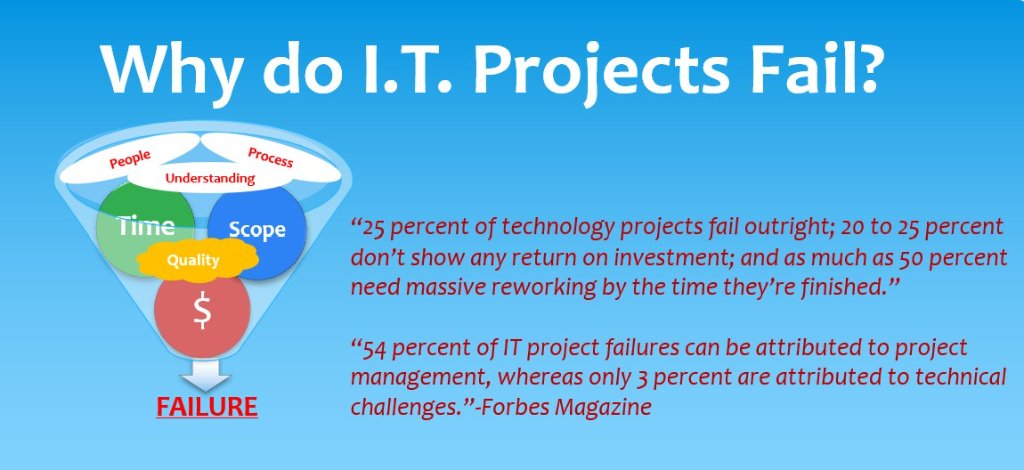
Implementing a new enterprise system can transform your business — but the process is complex and fraught with pitfalls. Here are the best practices to ensure a smooth implementation and avoid the most common mistakes.
What Is an Enterprise System?
An enterprise system is a large-scale software application designed to support and automate the business processes of an organization. These systems integrate various functions — such as finance, human resources, sales, and supply chain management — into a single unified platform, ensuring information flows seamlessly across departments.
Key Features of Enterprise Systems:
- Integration: Combines data and processes from different departments into one system.
- Automation: Streamlines and automates routine tasks, reducing manual effort.
- Real-time Data: Provides up-to-date information for better decision-making.
- Scalability: Can grow with the business, accommodating increased data and users.
- Customization: Can be tailored to meet the specific needs of an organization.
Examples include ERP (Enterprise Resource Planning), CRM (Customer Relationship Management), and SCM (Supply Chain Management) systems.
Best Practices for Implementation
1. Define Clear Objectives
Before diving in, define what you want to achieve. Are you looking to streamline operations, improve data management, or enhance customer service? Clear goals will guide the entire process and help measure success.
2. Involve Stakeholders Early
Engage executives, department heads, and end-users from the beginning. Their input is invaluable in understanding requirements and ensuring the system meets all users' needs. Early involvement fosters buy-in and reduces resistance to change.
3. Choose the Right System
Conduct thorough research and consider scalability, compatibility with existing systems, and vendor support. Don't just go for the most popular option — choose a system that aligns with your specific business needs.
4. Plan Thoroughly
Outline each phase of the project, set realistic timelines, and allocate resources effectively. Include milestones and checkpoints to monitor progress. A well-structured plan keeps the project on track and within budget.
5. Invest in Training
Training is often overlooked but is vital for success. Ensure all users are adequately trained and provide ongoing support to help them adapt. Well-trained employees are more likely to embrace the new system and use it effectively.
6. Test Rigorously
Before going live, conduct extensive testing — unit testing, integration testing, and user acceptance testing. Identify and resolve any issues to ensure the system functions correctly in a real-world environment.
7. Monitor and Evaluate
After implementation, continuously monitor the system's performance. Gather feedback from users and make necessary adjustments. Regular evaluations help identify areas for improvement and ensure the system continues to meet business needs.
Common Pitfalls and How to Avoid Them
| Pitfall | How to Avoid It |
|---|---|
| Lack of Clear Objectives | Set specific, measurable goals from the outset |
| Insufficient Stakeholder Involvement | Engage stakeholders early and maintain open communication |
| Choosing the Wrong System | Conduct thorough research aligned to your requirements |
| Poor Planning | Develop a detailed plan with clear milestones and resource allocation |
| Neglecting Training | Invest in comprehensive training programs |
| Inadequate Testing | Conduct thorough testing before full deployment |
| Ignoring Post-Implementation Monitoring | Continuously evaluate performance and make adjustments |
Most Popular Enterprise Systems in 2023
Small Businesses
- Microsoft Dynamics 365 Business Central: Comprehensive features covering sales, service, operations, and finance.
- QuickBooks Online: A favorite for its ease of use and robust accounting features.
- Zoho One: A suite of applications covering CRM, finance, HR, and more.
Medium Businesses
- Acumatica: Praised for flexibility and scalability, ideal for growing businesses.
- NetSuite ERP: A unified business management suite covering ERP, CRM, and e-commerce.
- Odoo: An open-source ERP with a wide range of business applications.
Large Businesses
- SAP S/4HANA: Renowned for advanced analytics and real-time data processing.
- Oracle ERP Cloud: Comprehensive and integrated financial management solutions.
- Infor CloudSuite: Tailored for specific industries with deep functionality and flexibility.
Conclusion
Implementing a new enterprise system is a complex but rewarding process. By following these best practices and avoiding common pitfalls, you can ensure a successful implementation that enhances your operations and drives growth.
Remember: do not purchase a system for the latest bells & whistles without ensuring it aligns to your business needs. The human factor matters too — does this system increase productivity and keep your employees happy, allowing them to perform at a high level for your core business objectives?
Derris Boomer — VP of Sales, BTG
📧 derrisboomer@btgsi.com 📞 732-800-2058 🌐 btgsi.com 📅 Schedule a Meeting