The sudden collapse of Sprinkles Cupcakes on December 31, 2025, wasn't just a bad day for dessert lovers—it was a definitive case study in how a category-defining startup can lose its soul to scale.
How a Brand Can Lose Its Way
The sudden collapse of Sprinkles Cupcakes on December 31, 2025, wasn't just a bad day for dessert lovers—it was a definitive case study in how a category-defining startup can lose its soul to scale.
When Candace and Charles Nelson opened the first "cupcake-only" bakery in Beverly Hills in 2005, it was a revolution. They didn't just sell cake; they sold a lifestyle. With its minimalist aesthetic and the iconic "modern dot," Sprinkles earned accolades as the "Progenitor of the Cupcake Craze," famously adored by Oprah Winfrey and featured across the Food Network.
While Candace Nelson founded the chain, she had no ownership or operational involvement during the closure, having sold the company to private equity firm KarpReilly LLC in 2012.
By the time the doors locked for good, the brand had expanded to over 30 retail locations nationwide. What started as a craft-focused startup ended as a cautionary tale of "trend fatigue" and the perils of private equity.
The Rise of the Machine
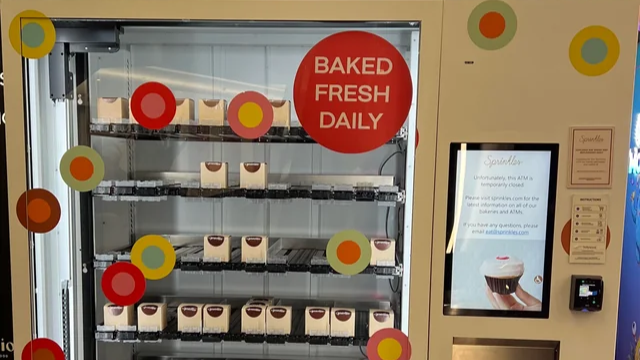
In 2012, Sprinkles pioneered "drop culture" for food by launching the world's first Cupcake ATM. Seeking to capture the high-traffic travel market, they began installing these automated vending machines in major airports starting in 2014.
Why they worked (initially):
- Novelty Factor: The pink "ATM" was an Instagram sensation before Instagram marketing was standard.
- Low Overhead: It allowed the brand to capture "impulse buys" in expensive real estate like LAX or JFK without paying for a full storefront or 24/7 staff.
- Competitive Edge: While legacy brands like Cinnabon required a full kitchen, Sprinkles could fit their entire "store" into a 20-square-foot box.
Why they eventually failed:
- Quality Perception: As competitors like Crumbl and Insomnia Cookies focused on "warm and fresh" delivery, a cupcake from a refrigerated vending machine began to feel "stale" and overpriced.
- Maintenance Nightmares: Technical glitches and the high cost of stocking fresh daily inventory in secure airport terminals eroded the profit margins that the automation was supposed to save.
Pros and Cons of the Sprinkles Model
Pros
- First-Mover Advantage: Defined the gourmet cupcake niche in 2005.
- Iconic Branding: The "modern dot" was a masterclass in minimalist, luxury design.
- Tech Integration: The Cupcake ATM created a 24/7 revenue stream and viral buzz.
Cons
- Single-Product Trap: Failed to diversify as Gen-Z shifted toward "healthier" or diverse treats.
- Private Equity Dilution: Post-2012 management prioritized "unit efficiency" over artisanal quality.
- Real Estate Burden: High-rent flagship stores required massive volume to survive inflation.
The Final Lesson
To support 30+ locations and a massive automated network, Sprinkles leaned heavily into licensing and big-box grocery mixes. While this generated short-term cash, it killed the "exclusive" allure of the Beverly Hills original.
For a startup looking to become a legacy brand, remember: Accessibility is often the enemy of exclusivity. When you prioritize the spreadsheet over the recipe, your brand doesn't just close—it vanishes.
What are your thoughts on branding and scaling?
Another Private Equity firm kills a brand?